Como escolher apostas esportivas em plataformas licenciadas com recomendações úteis

A indústria de apostas esportivas online está crescendo rapidamente, com cada vez mais opções disponíveis para os apostadores. No entanto, é fundamental escolher uma plataforma licenciada e regulamentada para garantir uma experiência segura e protegida. Neste artigo, vamos discutir como escolher apostas esportivas em plataformas licenciadas e fornecer recomendações úteis para os apostadores. Ao escolher uma plataforma de apostas esportivas, é essencial verificar se ela possui uma licença adequada. As plataformas licenciadas são regulamentadas por autoridades governamentais e devem cumprir determinados padrões de segurança e fair play. Isso garante que os apostadores estejam protegidos contra fraudes e manipulações. Além da licença, é importante verificar a reputação da plataforma. Procure por avaliações de outros jogadores, verifique se a empresa possui um bom histórico e se há reclamações ou problemas recorrentes. Uma plataforma confiável e respeitada será transparente sobre suas práticas e terá um excelente serviço ao cliente. Outro aspecto a considerar ao escolher uma plataforma de apostas esportivas é a variedade de esportes e mercados disponíveis. Apostar em um esporte que você conhece e entende aumenta suas chances de sucesso. Além disso, uma ampla gama de mercados oferece mais oportunidades de apostas e pode aumentar a diversão do jogo. Para apostadores iniciantes, é aconselhável começar com apostas simples e de baixo risco. Conforme você ganha confiança e experiência, pode começar a explorar apostas mais complexas e arriscadas. Lembre-se sempre de definir um orçamento e não apostar mais do que você pode perder. Por fim, é importante estar ciente dos bônus e promoções oferecidos pelas plataformas de apostas esportivas. Essas ofertas podem proporcionar um impulso extra ao seu bankroll e aumentar suas chances de ganhar. No entanto, certifique-se de ler os termos e condições associados a essas promoções para evitar surpresas desagradáveis. Em resumo, ao escolher apostas esportivas em plataformas licenciadas, é crucial considerar a licença, reputação, variedade de esportes, tipos de apostas, gerenciamento de bankroll e bônus disponíveis. Seguindo essas recomendações úteis, os apostadores podem desfrutar de uma experiência segura e emocionante ao apostar em seus esportes favoritos. Recomendações úteis para escolher apostas esportivas em plataformas licenciadas:

  1. Verifique se a plataforma possui uma licença adequada e é regulamentada.
  2. Pesquise a reputação da empresa e verifique se há reclamações ou problemas recorrentes.
  3. Escolha uma plataforma com uma ampla variedade de esportes e mercados.
  4. Comece com apostas simples e de baixo risco para aprender o processo.
  5. Defina um orçamento e não exceda seulimites financeiros.
  6. Aproveite os bônus e promoções, mas esteja ciente dos termos e condições.

Como escolher apostas esportivas em plataformas licenciadas com recomendações úteis

A indústria de apostas esportivas online está crescendo rapidamente, com cada vez mais opções disponíveis para os apostadores. No entanto, é fundamental escolher uma plataforma licenciada e regulamentada para garantir uma experiência segura e protegida. Neste artigo, vamos discutir como escolher apostas esportivas em plataformas licenciadas e fornecer recomendações úteis para os apostadores. Ao escolher uma plataforma de apostas esportivas, é essencial verificar se ela possui uma licença adequada. As plataformas licenciadas são regulamentadas por autoridades governamentais e devem cumprir determinados padrões de segurança e fair play. Isso garante que os apostadores estejam protegidos contra fraudes e manipulações. Além da licença, é importante verificar a reputação da plataforma. Procure por avaliações de outros jogadores, verifique se a empresa possui um bom histórico e se há reclamações ou problemas recorrentes. Uma plataforma confiável e respeitada será transparente sobre suas práticas e terá um excelente serviço ao cliente. Outro aspecto a considerar ao escolher uma plataforma de apostas esportivas é a variedade de esportes e mercados disponíveis. Apostar em um esporte que você conhece e entende aumenta suas chances de sucesso. Além disso, uma ampla gama de mercados oferece mais oportunidades de apostas e pode aumentar a diversão do jogo. Para apostadores iniciantes, é aconselhável começar com apostas simples e de baixo risco. Conforme você ganha confiança e experiência, pode começar a explorar apostas mais complexas e arriscadas. Lembre-se sempre de definir um orçamento e não apostar mais do que você pode perder. Por fim, é importante estar ciente dos bônus e promoções oferecidos pelas plataformas de apostas esportivas. Essas ofertas podem proporcionar um impulso extra ao seu bankroll e aumentar suas chances de ganhar. No entanto, certifique-se de ler os termos e condições associados a essas promoções para evitar surpresas desagradáveis. Em resumo, ao escolher apostas esportivas em plataformas licenciadas, é crucial considerar a licença, reputação, variedade de esportes, tipos de apostas, gerenciamento de bankroll e bônus disponíveis. Seguindo essas recomendações úteis, os apostadores podem desfrutar de uma experiência segura e emocionante ao apostar em seus esportes favoritos. Recomendações úteis para escolher apostas esportivas em plataformas licenciadas:

  1. Verifique se a plataforma possui uma licença adequada e é regulamentada.
  2. Pesquise a reputação da empresa e verifique se há reclamações ou problemas recorrentes.
  3. Escolha uma plataforma com uma ampla variedade de esportes e mercados.
  4. Comece com apostas simples e de baixo risco para aprender o processo.
  5. Defina um orçamento e não exceda seulimites financeiros.
  6. Aproveite os bônus e promoções, mas esteja ciente dos termos e condições.

Founding of YouTube A Short History

YouTube is one of the most influential platforms in modern media, but its origin story is surprisingly simple: a small team wanted an easier way to share video online. In the early 2000s, uploading and sending video files was slow, formats were inconsistent, and most websites weren’t built for smooth playback. YouTube’s founders focused on removing those barriers—making video sharing as easy as sending a link.

Who Founded YouTube?

YouTube was founded by three former PayPal employees: Chad Hurley, Steve Chen, and Jawed Karim. They combined product thinking, engineering skills, and a clear user goal: create a website where anyone could upload a video and watch it instantly in a browser.

  • Chad Hurley — product/design focus and early CEO role
  • Steve Chen — engineering and infrastructure
  • Jawed Karim — engineering and early concept support

The Problem YouTube Solved

At the time, sharing video often meant emailing huge files or dealing with complicated players and downloads. YouTube made video:

  1. Uploadable by non-experts (simple interface)
  2. Streamable in the browser (no special setup)
  3. Sharable through links and embedding on other sites

Early Growth and the First Video

YouTube launched publicly in 2005. One of the most famous early moments was the first uploaded video, “Me at the zoo,” featuring co-founder Jawed Karim. The clip was short and casual—exactly the kind of everyday content that proved the platform’s big idea: ordinary people could publish video without needing a studio.

Key Milestones Timeline

Year/Date
Milestone
Why It Mattered
2005 YouTube is founded and launches Introduced easy browser-based video sharing
2005 “Me at the zoo” is uploaded Became a symbol of user-generated video culture
2006 Google acquires YouTube Provided resources to scale hosting and global reach

Why Google Bought YouTube

By 2006, YouTube’s traffic was exploding. Video hosting is expensive—bandwidth and storage costs rise fast when millions of people watch content daily. Google’s acquisition gave YouTube the infrastructure and advertising ecosystem to grow into a sustainable business.

What YouTube’s Founding Changed

YouTube didn’t just create a popular website; it reshaped how people learn, entertain themselves, and build careers online. Its founding helped accelerate:

  • Creator-driven media and influencer culture
  • How-to education and free tutorials at massive scale
  • Music discovery, commentary, and global community trends

From a small startup idea to a global video powerhouse, YouTube’s founding is a classic example of a simple product solving a real problem—and changing the internet in the process.

Founding of YouTube A Short History

YouTube is one of the most influential platforms in modern media, but its origin story is surprisingly simple: a small team wanted an easier way to share video online. In the early 2000s, uploading and sending video files was slow, formats were inconsistent, and most websites weren’t built for smooth playback. YouTube’s founders focused on removing those barriers—making video sharing as easy as sending a link.

Who Founded YouTube?

YouTube was founded by three former PayPal employees: Chad Hurley, Steve Chen, and Jawed Karim. They combined product thinking, engineering skills, and a clear user goal: create a website where anyone could upload a video and watch it instantly in a browser.

  • Chad Hurley — product/design focus and early CEO role
  • Steve Chen — engineering and infrastructure
  • Jawed Karim — engineering and early concept support

The Problem YouTube Solved

At the time, sharing video often meant emailing huge files or dealing with complicated players and downloads. YouTube made video:

  1. Uploadable by non-experts (simple interface)
  2. Streamable in the browser (no special setup)
  3. Sharable through links and embedding on other sites

Early Growth and the First Video

YouTube launched publicly in 2005. One of the most famous early moments was the first uploaded video, “Me at the zoo,” featuring co-founder Jawed Karim. The clip was short and casual—exactly the kind of everyday content that proved the platform’s big idea: ordinary people could publish video without needing a studio.

Key Milestones Timeline

Year/Date
Milestone
Why It Mattered
2005 YouTube is founded and launches Introduced easy browser-based video sharing
2005 “Me at the zoo” is uploaded Became a symbol of user-generated video culture
2006 Google acquires YouTube Provided resources to scale hosting and global reach

Why Google Bought YouTube

By 2006, YouTube’s traffic was exploding. Video hosting is expensive—bandwidth and storage costs rise fast when millions of people watch content daily. Google’s acquisition gave YouTube the infrastructure and advertising ecosystem to grow into a sustainable business.

What YouTube’s Founding Changed

YouTube didn’t just create a popular website; it reshaped how people learn, entertain themselves, and build careers online. Its founding helped accelerate:

  • Creator-driven media and influencer culture
  • How-to education and free tutorials at massive scale
  • Music discovery, commentary, and global community trends

From a small startup idea to a global video powerhouse, YouTube’s founding is a classic example of a simple product solving a real problem—and changing the internet in the process.

Founding of YouTube A Short History

YouTube is one of the most influential platforms in modern media, but its origin story is surprisingly simple: a small team wanted an easier way to share video online. In the early 2000s, uploading and sending video files was slow, formats were inconsistent, and most websites weren’t built for smooth playback. YouTube’s founders focused on removing those barriers—making video sharing as easy as sending a link.

Who Founded YouTube?

YouTube was founded by three former PayPal employees: Chad Hurley, Steve Chen, and Jawed Karim. They combined product thinking, engineering skills, and a clear user goal: create a website where anyone could upload a video and watch it instantly in a browser.

  • Chad Hurley — product/design focus and early CEO role
  • Steve Chen — engineering and infrastructure
  • Jawed Karim — engineering and early concept support

The Problem YouTube Solved

At the time, sharing video often meant emailing huge files or dealing with complicated players and downloads. YouTube made video:

  1. Uploadable by non-experts (simple interface)
  2. Streamable in the browser (no special setup)
  3. Sharable through links and embedding on other sites

Early Growth and the First Video

YouTube launched publicly in 2005. One of the most famous early moments was the first uploaded video, “Me at the zoo,” featuring co-founder Jawed Karim. The clip was short and casual—exactly the kind of everyday content that proved the platform’s big idea: ordinary people could publish video without needing a studio.

Key Milestones Timeline

Year/Date
Milestone
Why It Mattered
2005 YouTube is founded and launches Introduced easy browser-based video sharing
2005 “Me at the zoo” is uploaded Became a symbol of user-generated video culture
2006 Google acquires YouTube Provided resources to scale hosting and global reach

Why Google Bought YouTube

By 2006, YouTube’s traffic was exploding. Video hosting is expensive—bandwidth and storage costs rise fast when millions of people watch content daily. Google’s acquisition gave YouTube the infrastructure and advertising ecosystem to grow into a sustainable business.

What YouTube’s Founding Changed

YouTube didn’t just create a popular website; it reshaped how people learn, entertain themselves, and build careers online. Its founding helped accelerate:

  • Creator-driven media and influencer culture
  • How-to education and free tutorials at massive scale
  • Music discovery, commentary, and global community trends

From a small startup idea to a global video powerhouse, YouTube’s founding is a classic example of a simple product solving a real problem—and changing the internet in the process.

Founding of YouTube A Short History

YouTube is one of the most influential platforms in modern media, but its origin story is surprisingly simple: a small team wanted an easier way to share video online. In the early 2000s, uploading and sending video files was slow, formats were inconsistent, and most websites weren’t built for smooth playback. YouTube’s founders focused on removing those barriers—making video sharing as easy as sending a link.

Who Founded YouTube?

YouTube was founded by three former PayPal employees: Chad Hurley, Steve Chen, and Jawed Karim. They combined product thinking, engineering skills, and a clear user goal: create a website where anyone could upload a video and watch it instantly in a browser.

  • Chad Hurley — product/design focus and early CEO role
  • Steve Chen — engineering and infrastructure
  • Jawed Karim — engineering and early concept support

The Problem YouTube Solved

At the time, sharing video often meant emailing huge files or dealing with complicated players and downloads. YouTube made video:

  1. Uploadable by non-experts (simple interface)
  2. Streamable in the browser (no special setup)
  3. Sharable through links and embedding on other sites

Early Growth and the First Video

YouTube launched publicly in 2005. One of the most famous early moments was the first uploaded video, “Me at the zoo,” featuring co-founder Jawed Karim. The clip was short and casual—exactly the kind of everyday content that proved the platform’s big idea: ordinary people could publish video without needing a studio.

Key Milestones Timeline

Year/Date
Milestone
Why It Mattered
2005 YouTube is founded and launches Introduced easy browser-based video sharing
2005 “Me at the zoo” is uploaded Became a symbol of user-generated video culture
2006 Google acquires YouTube Provided resources to scale hosting and global reach

Why Google Bought YouTube

By 2006, YouTube’s traffic was exploding. Video hosting is expensive—bandwidth and storage costs rise fast when millions of people watch content daily. Google’s acquisition gave YouTube the infrastructure and advertising ecosystem to grow into a sustainable business.

What YouTube’s Founding Changed

YouTube didn’t just create a popular website; it reshaped how people learn, entertain themselves, and build careers online. Its founding helped accelerate:

  • Creator-driven media and influencer culture
  • How-to education and free tutorials at massive scale
  • Music discovery, commentary, and global community trends

From a small startup idea to a global video powerhouse, YouTube’s founding is a classic example of a simple product solving a real problem—and changing the internet in the process.

If you are keeping score, you have stopped playing for fun

There is a moment when a session changes character. Nothing on screen marks it, and it is usually the point at which somebody starts tracking whether they are up or down.

Two different activities

Playing for entertainment means the money spent is the price of the evening, in the same way a cinema ticket is. Playing to be ahead means the money is capital and the evening is an attempt to grow it. These use identical software and are not the same activity.

The switch is rarely announced

Almost nobody decides to make the change. It happens gradually, usually after a run of losses large enough to feel like something owed. The tell is the arithmetic: the moment you can state your position to the penny, the framing has already moved.

Where free play sits in this

Demo mode is the one version where scorekeeping is impossible, since the number cannot mean anything. Playing a slot on demoslotvibe.com and noticing that you are still watching the balance is genuinely informative, because there is nothing there to watch.

Why recovery framing is expensive

A player trying to get back to level plays longer, at higher stakes, and stops only on reaching an arbitrary number that the game has no reason to produce. Every part of that is more costly than simply stopping would have been.

The maths behind that

Expected loss grows with the number of spins. Playing until you are level means playing until a random walk with a downward drift crosses a specific line, which it may not do. The strategy has no exit condition that the machine is obliged to supply.

Signs the framing has shifted

  • You know your exact position without checking
  • Session length is decided by the balance, not the clock
  • Stakes rise after losses rather than after wins
  • A win feels like relief rather than pleasure
  • You are still playing a game you stopped enjoying

The fixed budget as a test

Decide the amount before starting and treat it as spent the moment you begin. If that feels uncomfortable, the money was never framed as entertainment, and it is better to find that out before the session rather than during it.

Time limits work better than money limits

A clock does not move with the outcome. A money limit gets renegotiated at the exact moment renegotiation is least wise, whereas an hour is an hour regardless of what the reels have done.

The uncomfortable question

Ask what would have to happen for the session to end well. If the honest answer involves a specific figure rather than a specific time, the answer has already been given.

Where to take this

Anyone recognising themselves here can find free, confidential help through GamCare and BeGambleAware in the UK, and self-exclusion through GAMSTOP. Recognising the shift early is the whole of the skill, and it is one worth having.

Example Post for WordPress

This is a sample post created to test the basic formatting features of the WordPress CMS.

Subheading Level 2

You can use bold text, italic text, and combine both styles.

  1. Step one
  2. Step two
  3. Step three

This content is only for demonstration purposes. Feel free to edit or delete it.

Understanding the Importance of AC Repair in Culpeper VA

In today’s world, the rise of technology has made its way into our homes. One such technological advancement that is gaining popularity is the smart thermostat. This innovation provides control, convenience, and cost-saving benefits for homeowners.

Understanding Air Conditioning Repair in Culpeper VA

Find out about HVAC Precision Experts: www.hvacprecisionexperts.com

A smart thermostat, as its name suggests, is a device that regulates heating and air conditioning in homes or businesses. Unlike traditional thermostats which require manual operation, smart thermostats allow users to control the temperature of their homes remotely via their smartphones or other connected devices.

Reliable A/C Repair in Culpeper VA

One of the prime benefits of owning a smart thermostat is convenience. With these devices, you can control your home’s temperature from anywhere in the world. All you need is an internet connection and a smartphone app. This means you can adjust your heating or cooling system before you arrive home, ensuring optimal comfort upon your arrival.

If you are in Gainesville, VA & looking for AC Repair, look for: HVAC Precision Experts – Gainesville, VA

HVAC Repair in Culpeper VA: Ensuring Operational Efficiency and Cost Savings

Smart thermostats are designed to adapt to your lifestyle and schedule. They learn from your behaviors and adjust themselves accordingly to ensure energy efficiency. For instance, if you usually leave for work at 8:00 AM and return at 5:00 PM, the thermostat will lower its settings during those hours to conserve energy.

This adaptive feature significantly contributes to reducing energy bills. According to Energy Star, homeowners can save up to $180 per year by using programmable thermostats effectively.

A Breakdown of Savings:

  • Heating Savings: Up to 10%
  • Cooling Savings: Up to 15%

Going Green with Smart Thermostats

Beyond saving money on utility bills, smart thermostats also contribute towards environmental sustainability by reducing energy consumption. With climate change being a pressing issue worldwide, every little bit helps.

Compatibility with Home Automation Systems

Smart home systems are becoming increasingly common in modern households. A smart thermostat can be easily integrated into such systems, allowing homeowners to control their home’s temperature along with other features like lighting and security systems from a single device.

Final Thoughts

Smart thermostats represent a significant leap forward in home automation and energy management. They offer convenience, cost savings, and environmental benefits that traditional thermostats just can’t compete with. As technology continues to evolve and become more affordable, it won’t be long before smart thermostats become a standard feature in every home.


Air conditioning technology is rapidly evolving, with new advancements promising to improve comfort, efficiency, and sustainability. This article delves into the emerging technologies and trends defining the future of air conditioning.

AI and IoT in Air Conditioning

The integration of Artificial Intelligence (AI) and Internet of Things (IoT) into air conditioning systems is a significant trend shaping the future of the industry.

  • Smart Thermostats: Smart thermostats leverage AI to learn a user’s preferences and behaviors, adjusting temperatures automatically for increased comfort and energy efficiency.
  • Remote Access: IoT-enabled AC units can be controlled remotely via smartphone apps. This allows users to adjust settings from anywhere, ensuring a cool home upon arrival.
  • Predictive Maintenance: AI can predict potential system failures by identifying anomalies in operation data. This allows for timely repairs, reducing costs and preventing system breakdowns.

Energy Efficient Systems

Energy efficiency remains a top priority for air conditioning development due to escalating electricity costs and growing environmental concerns.

  • Variable Speed Technology: Unlike traditional fixed-speed AC units that run at full capacity or not at all, variable speed models can adjust compressor speed based on cooling needs. This leads to substantial energy savings.
  • Eco-friendly Refrigerants: New AC models are moving away from ozone-depleting refrigerants like HCFCs towards more eco-friendly alternatives such as R32.

Solar Air Conditioning

Solar-powered air conditioners are an emerging innovation that could redefine energy use in cooling systems.

  • Photovoltaic Systems: These systems use photovoltaic cells that convert sunlight directly into electricity to power AC units.
  • Thermal Solar AC: This technology utilizes solar thermal energy to drive a cooling process, typically absorption or adsorption chilling.

Personalized Comfort Solutions

Another trend is the shift towards personalized comfort solutions.

  • Zoned Cooling Systems: Instead of cooling the entire house, these systems allow for different temperature zones within a home. Each zone can be controlled independently, enhancing comfort and saving energy.
  • Wearable Thermostats: A new concept that’s still in its infancy, wearable thermostats could enable personalized climate control by adjusting the temperature based on the wearer’s body temperature.

Smart Homes and Integrated Systems

As homes become smarter, air conditioning systems are being designed to seamlessly integrate with other home automation systems. This means your AC could interact with your lighting system, blinds, or even your security system for optimized comfort and efficiency.

The future of air conditioning looks brighter than ever. As these technologies continue to evolve and mature, homeowners will reap benefits through improved comfort, lower energy bills, and reduced environmental impact. But while we await these advancements to become commonplace, it remains crucial to ensure our current AC systems are well maintained for optimal performance and longevity.


Refrigerants are one of the most pivotal components in your AC system. They’re essentially the cooling agent that absorbs and removes heat from your room, thus maintaining a comfortable temperature. The following guide dives deeper into the function and importance of refrigerants, shedding light on their vital role in an air conditioning system.

What are Refrigerants?

In layman’s terms, refrigerants are substances that absorb heat from the environment, get converted from a low-pressure gas to a high-pressure liquid as they’re compressed and then revert back to a low-pressure gas as they cool down. In an air conditioning system, this process of changing states absorbs heat and cools down your space.

Types of Refrigerants

There’s a wide range of refrigerants used in air conditioning systems. Some include:

  • Chlorofluorocarbons (CFCs) such as R12: These were popular in older air conditioning units but have since been phased out due to their harmful effects on the ozone layer.
  • Hydrochlorofluorocarbons (HCFCs) like R22: This is less damaging to the ozone layer than CFCs but is still not environmentally friendly. It’s being phased out gradually.
  • Hydrofluorocarbons (HFCs) for instance R410A, R134, and R407C: These are more eco-friendly options compared to CFCs and HCFCs as they don’t deplete the ozone layer.

How Do Refrigerants Work?

The mechanics of refrigerant operation can be segmented into four main stages:

  1. Evaporation: The refrigerant starts off as a cold, low-pressure liquid in the evaporator coil. As indoor air blows over these coils, the refrigerant absorbs heat and evaporates into gas form.
  2. Compression: The compressor then compresses this low-pressure gas into a high-pressure, high-temperature gas.
  3. Condensation: This high-pressure gas moves into the condenser coil where it gets cooled down by releasing heat to the outdoors. It converts back into liquid form.
  4. Expansion: The refrigerant goes through an expansion valve, reducing its pressure and temperature before it returns to the evaporator coil for another cycle.

This process repeats continuously until your room reaches the desired temperature.

Why are Refrigerants Important?

The whole premise of air conditioning revolves around moving heat from one point to another – specifically from inside a building to the outside. This wouldn’t be possible without refrigerants. They essentially serve as a medium for carrying this heat away, making them integral for the operation of any air conditioning system.

Key Takeaway

Refrigerant is not merely an element within your AC system but truly its lifeblood, making effective cooling possible. Its ability to continually shift states – absorbing heat in the process – ensures your living or working space remains comfortable even in scorching weather conditions. Understanding its role can help you better appreciate and maintain your AC system for optimal performance and longevity.


Severe weather conditions can damage your air conditioning (AC) unit, resulting in costly repairs or even a complete replacement. However, by taking some necessary measures, it is possible to safeguard your system from extreme elements and inclement weather. This article explores various strategies to fortify your AC unit against storms and other harsh weather conditions.

Understanding the Threats

Before enacting preventative measures, it is crucial to recognize the kind of threats storms or severe weather pose to your AC unit. The primary hazards associated with storms include:

  • Heavy Rainfall: It can cause flooding which might potentially damage the AC’s electrical components.
  • Strong Winds: They may hurl debris that can dent or destroy the exterior of your AC unit.
  • Hailstorm: Hailstones can inflict significant damage on the exterior of your AC unit and possibly its internal components as well.

Steps for Protecting Your AC Unit

Now that we understand the risks, let’s discuss how you can shield your AC system.

  1. Install a Surge Protector

Power surges are common during storms and can cause severe damage to your AC system. Installing a surge protector helps prevent any storm-related power spike from harming your system’s electrical components.

  1. Secure Your Outdoor Unit

Anchoring your outdoor unit using hurricane straps or a bolt-down kit can effectively prevent it from moving or tipping over due to strong winds.

  1. Maintain Regular Check-ups

Routine maintenance checks will ensure that your unit is always in good condition and that minor issues don’t become major ones when a storm hits.

After The Storm

Even after taking these precautionary steps, make sure to inspect your AC system once the storm has passed. Look for any visible signs of damage like dents or displaced parts. If you notice anything unusual, turn off the entire system and contact a professional immediately for inspection and repair.

Additionally, if there has been flooding around your outdoor unit during a storm, do not turn on the air conditioner until it has been inspected by a professional HVAC technician who can assess whether there has been water damage to electrical parts inside the condenser unit.

Remember that an adequately protected AC unit not only survives severe weather but also ensures efficient performance all year round despite challenging conditions. By implementing these measures you will increase the lifespan of your equipment while avoiding unnecessary repair costs.

Comprehensive Guide to Air Conditioner Repair in Culpeper VA: Maintaining and Fixing Your AC Units

When it comes to older air conditioning (AC) units, the decision to repair or replace them can be a tricky one. This decision is often a balance between the costs associated with repairing the unit and the benefits of replacing it with a more efficient model. In this article, we delve into a detailed cost-benefit analysis to help you make an informed choice.

Repairing an Older AC Unit

The costs associated with repairing an older AC unit can vary significantly depending on the nature of repair needed. Minor repairs like replacing filters or fixing leaks are relatively inexpensive, but major repairs such as replacing the compressor can be quite costly.

Costs:

  • Minor Repairs: $100-$400
  • Major Repairs: $1,000-$3,000
  • Average Yearly Maintenance: $75-$200

One of the significant benefits of repairing your existing AC unit is that it’s generally cheaper than replacing it outright. Additionally, if your unit isn’t too old and still has some years left in its lifespan, repairs can extend its useful life.

However, recurring repairs and maintenance costs can add up over time. And if your old unit is inefficient, you could also be incurring higher energy bills.

Replacing an Older AC Unit

Replacing your old AC unit with a new one comes with its own set of costs and benefits. Modern units are more energy-efficient and may offer better cooling performance.

Costs:

  • Mid-Range Unit: $2,500-$7,500
  • High-Efficiency Unit: $5,000-$10,000
  • Installation: $500-$1,000

One significant benefit of replacement is increased efficiency. Newer models have higher Seasonal Energy Efficiency Ratio (SEER) ratings than older models. This results in lower energy consumption and subsequently lower utility bills.

Moreover, newer models come with warranties that cover significant parts for extended periods – reducing future repair costs. They might also offer features such as smart home compatibility for added convenience.

Cost-Benefit Comparison

To compare the cost-effectiveness of repairing versus replacing your old unit, consider these key factors:

  • Age: If your unit is over 15 years old, replacement might be a better option considering most AC units have a lifespan of 15-20 years.
  • Frequency of Repairs: If you’re consistently needing repairs on your old unit or facing expensive repair work like compressor failure or coil leaks – replacement could prove cheaper in the long run.
  • Energy Bills: If you notice consistent increases in energy bills – this could indicate that your old AC system is losing efficiency and replacement could save money over time.

In conclusion (do not use), whether to repair or replace an older AC system boils down to weighing immediate versus long-term costs against potential savings from improved efficiency and reduced repair needs. Consulting with professional HVAC technicians can provide personalized advice based on factors like age and condition of your current system along with local climate conditions and specific cooling needs.
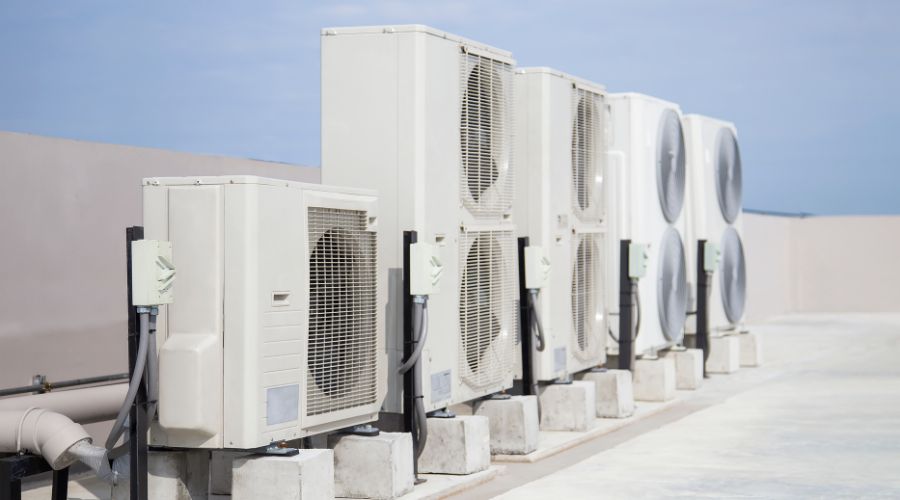
 

Choosing the Right Service for Air Conditioner Repair in Culpeper VA

Choosing the right HVAC contractor for your Air Conditioning repair needs can be a daunting task. There are so many providers available in the market, all claiming to offer top-notch services. How do you pick the one that suits your requirements best? Here are some guidelines to help you make an informed decision.

Experience and Expertise

Experience should be a top consideration when selecting an HVAC contractor. A service provider with several years of experience has likely tackled various AC issues and can handle complex repairs more efficiently. Also, check if they have specific expertise in dealing with your particular AC model.

Certification and Licenses

A professional HVAC contractor should possess necessary certifications and licenses to perform AC repairs. This is proof that they have undergone relevant training and adhere to industry standards.

Local References

Speak to local references provided by the contractor to get a sense of their reliability, work ethic, and customer service.

Availability

Your selected contractor should be readily available, particularly during emergencies. A faulty AC system can cause discomfort in extreme weather conditions; hence prompt services are crucial.

Warranties and Guarantees

Reputable HVAC contractors usually provide warranties or guarantees on their repair services. This offers assurance on their work quality and provides peace of mind.

Pricing Structure

While it’s important not to base your decision solely on price, understanding the pricing structure is vital before making a commitment. Ensure there are no hidden charges in addition to the quoted price.

Here’s a summary:

Consideration Importance
Experience A seasoned contractor can handle complex repairs more efficiently
Certifications Proof of relevant training and adherence to industry standards
Local References Provides insight into reliability, work ethic, customer service
Availability Contractor should be accessible, especially during emergencies
Warranties/Guarantees Offers reassurance about work quality
Pricing Understand pricing structure before commitment; ensure there are no extra charge

Remember that these factors aren’t exhaustive; depending on individual needs, some might weigh more than others when deciding on the ideal HVAC contractor for AC repair needs. However, keeping these points in mind will surely aid in making an educated decision.


Having a fully functioning air conditioning (AC) system is essential for maintaining a comfortable indoor atmosphere, especially during hot summer periods. As such, familiarizing yourself with the range of furnace and AC repair services available can prove to be beneficial.

First off, when it comes to AC repair services, it is important to note that an efficient service provider will offer a comprehensive array of options aimed at meeting your specific needs. These services may span from minor maintenance tasks to more comprehensive repair operations.

Here are some of the common furnace and AC repair services you should expect:

  • Routine Maintenance: This entails regular check-ups that aid in keeping your air conditioning system performing optimally. Routine maintenance often includes tasks such as coil cleaning, changing filters, checking refrigerant levels, and much more.
  • System Repairs: This includes fixing any breakdowns or faults within the air conditioning system. It could be anything from motor repairs to dealing with refrigerant leaks.
  • System Upgrade Services: Here, your service provider recommends and implements necessary upgrades to your HVAC systems. This could be due to outdated parts or improving energy efficiency.

Knowledge of these services is crucial when seeking an HVAC contractor for your AC repair needs because it allows you to gauge the extent of your potential contractor’s expertise.

Furthermore, it’s worth mentioning that while most HVAC contractors offer both furnace and AC repair services due to the overlapping skills required in handling these systems, the scope may differ slightly. Furnace repairs might involve tasks such as fixing heat exchanger problems or dealing with pilot light issues.

Take note that a proficient HVAC contractor should be able to handle both furnace and AC repairs effectively. Regardless of whether you’re dealing with a faulty air conditioner in summer or a broken furnace during winter, it pays off knowing what kind of service scope you can expect from your potential HVAC contractor.

The bottom line here is that understanding the scope of furnace and AC repair services is an essential step in ensuring that you receive comprehensive and satisfactory service. This knowledge can aid you in making informed decisions, especially when choosing an HVAC contractor for your AC repair needs.


When your air conditioning system fails, it’s essential to choose the right service provider for your AC repair needs. The decision-making process can be daunting, but by following these steps and being well informed, you can navigate through this task effectively.

Firstly, it’s crucial to identify your requirements before contacting any service providers. This includes understanding the type of your AC system, its age and condition, any previous repairs or issues, and what you suspect might be the problem now.

Secondly, research is key. Compile a list of potential AC repair service providers in your local area. Use online resources to check customer reviews and ratings to gauge the reliability and quality of their services. Check if they are licensed and insured as this ensures they meet certain industry standards and protects you from any liabilities during the repair work.

Key factors to consider when selecting an AC repair service provider:

  • Experience: A company’s experience is a strong indicator of their expertise in handling various AC models and complicated repairs. Look for a provider with several years of experience in the industry.
  • Certifications: Professional certifications like NATE (North American Technician Excellence) indicate that the technicians have demonstrated competence in HVAC systems.
  • Service warranty: A good AC repair company will offer guarantees or warranties on their workmanship.
  • Emergency services: The need for air conditioner repairs often arises unexpectedly. Hence, it’s beneficial if the company provides 24/7 emergency services.

Remember not to rush into making a decision. Request quotes from multiple companies for comparison. While cost is a significant factor, avoid going for the cheapest option without considering other factors such as quality of service and reputation.

Questions to ask potential service providers:

  1. How long have you been in business?
  2. Are your technicians certified?
  3. Do you offer warranties on parts replaced or work performed?
  4. Are you licensed and insured?
  5. What is your pricing policy? Do you provide written estimates?
  6. Can you provide references from previous customers?

Ultimately, the key to navigating your way in choosing an AC repair service provider lies in diligent research and thoughtful consideration of the factors mentioned above. Take the time to assess your options, ask questions, and make an informed decision. This will not only ensure that your AC system is repaired effectively but will also offer you peace of mind knowing that your air conditioning needs are in capable hands.


When you need urgent AC repair services, one of the key considerations is how to finance the cost. Whether it’s an extensive repair or a minor fix, finding flexible payment options can make the process much less stressful. Many reputable HVAC contractors offer flexible payment plans to help manage these expenses. This article will discuss some of the most common payment methods and some factors to think about when choosing a plan.

Air Conditioning Repair Services in Culperper VA

This traditional method of payment might be straightforward, but it isn’t always feasible for every homeowner, especially if repairs are costly. If your budget allows, it can be convenient and eliminates any worries about interest rates or additional charges that may come with other methods.

Credit Card Payments

Credit cards are a popular choice for many due to convenience and potential rewards programs. Some contractors may offer special pricing or discounts if you use a credit card for payment. However, this depends on your credit limit and interest rates should also be taken into account.

Financing Plans

Some HVAC contractors offer financing plans in collaboration with financial institutions. These plans usually allow you to pay off the cost of repairs over an agreed-upon period with either fixed or variable interest rates.

Pros:

  • Helps spread the cost of AC repair services over time.
  • Potentially lower interest rates than some credit cards.
  • May not require upfront payments

Cons:

  • You may end up paying more overall due to interest fees.
  • Approval may depend on your credit score.

Energy Efficient Incentive Programs

Another option that homeowners should consider are energy efficiency incentives offered by local governments or utility companies. These programs provide rebates or discounts for services that reduce energy consumption, such as installing an energy-efficient air conditioning unit.

When considering which payment option is best for you, think about what’s affordable in both the short term and long term scenario. Always check whether your preferred HVAC contractor offers these options before committing to their services.

Remember that transparent communication about costs is key in choosing an HVAC contractor. A reliable contractor should be willing and able to explain all costs associated with your AC repair services clearly and honestly. Appropriate documentation is also important – ensure that all agreements related to payments are provided in writing for future reference.

To ensure smooth financial management of your AC repair needs, stay informed about available payment options from your chosen HVAC contractor. By understanding these options, you can choose a plan that best suits your budget and avoid unnecessary stress when dealing with unexpected AC breakdowns.

Understanding Your Options for AC Repair in Culpeper VA

Managing your budget effectively is crucial when it comes to air conditioning (AC) repair services. Though AC repairs are often unavoidable, the cost implications can sometimes be overwhelming. Thus, understanding the various payment options available to cater for these services is essential. Here, we discuss different payment methods you can use to cover your AC repair costs.

Cash or Check

The most straightforward method of paying for AC repair services is through cash or check. Many HVAC contractors accept these forms of payment, and they are suitable if you have the total amount required at hand. However, cash payments may not be feasible for expensive repairs since they do not offer any form of financial flexibility.

A/C Repair in Culpeper VA

Credit cards are another common form of payment accepted by most HVAC contractors for AC repair services. They offer a degree of financial flexibility as they allow you to pay over time. However, keep in mind that interest rates may apply if you’re unable to clear your credit card balance within a given period.

HVAC Repair Services in Culpeper VA

Some AC repair companies provide financing options to their clients, particularly for costly services or purchases like replacing an entire system. This option allows customers to make monthly payments over a specified period at a given interest rate. If you choose this option, ensure that you fully understand the terms and conditions associated with it before signing up.

Below is an example table comparing these options:

Payment Method Advantages Disadvantages
Cash/Check No interest charges No financial flexibility
Credit Card Financial flexibility; aids in tracking expenses Interest charges may apply
Financing Spreads cost over time; suitable for expensive repairs Interest charges may apply; terms and conditions must be clearly understood

Warranty Cover

Many AC units come with warranties that cover certain repairs within a specified period from the date of purchase. Read through your warranty carefully to understand what’s covered and what’s not.

Homeowner’s Insurance

In some circumstances, your homeowner’s insurance policy might cover damages to your air conditioning system, especially when caused by natural disasters or accidents beyond normal wear and tear.

Remember that each person’s financial situation is unique, so what works best for one person might not work well for another. Be sure to consider all potential costs associated with each payment option before deciding on the best method for managing your budget during an AC repair.